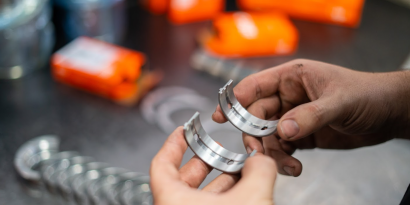

Engine rebuilding is an essential practice for restoring performance and extending the lifespan of automotive, agricultural, railway, and industrial engines. One of the most important factors for success in this process is choosing the right tools for each stage. Learn how engine rebuilding tools make all the difference and discover the key solutions for achieving superior results.
The role of tools in engine rebuilding
Over time, constant use, high temperatures, and pressure cause the internal parts of an engine to naturally wear out. This can lead to reduced efficiency, increased fuel consumption and emissions, and overall performance loss. Engine rebuilding is a specialized technical service aimed at restoring the ideal condition of components such as the piston, cylinder liner, engine valve, valve guide and seat, bearings, camshaft, and others.
For each component, there are precise tools specifically designed for operations like measuring, grinding, machining, cleaning, assembly, and adjustment. Using the correct instruments makes a significant difference in service quality, part durability, and the safety of the vehicle or machine.
Main tools used in engine rebuilding
With the evolution of the automotive sector, specific instruments have been developed to suit every need during the rebuilding process. Some of the top tools for engine rebuilding and servicing include:
Valve guide reamers: Essential for enlarging and adjusting the inner diameter of valve guides, ensuring proper sealing and alignment with the valve seat.
Valve seat grinders: Machines that provide perfect adjustment for valve seating, optimizing engine compression and sealing.
Micrometers and bore gauges: Vital for precise measurement of components like liners and piston rings, preventing excessive clearance or improper tightness.
Boring machines and hones: Used for adjusting the inner diameter of cylinder liners and achieving the ideal texture for piston ring seating.
Seat counterbore cutters: Specific tools for leveling and correcting the depth of valve seats, ensuring proper intake and exhaust system function.
Assembly tool kits: Designed to facilitate correct adjustment and tightening of components such as tappets, camshafts, springs, and rocker arms.
Choosing high-precision instruments allows you to operate within manufacturer-specified limits and ensures the best performance after engine reconstruction.
What are the consequences of using improper tools?
Using inappropriate or poor-quality tools in engine rebuilding can cause serious problems, such as:
- Poor engine performance due to misaligned parts and excessive clearances
- Drastic reduction in component lifespan
- Increased costs from rework and part replacement
- Longer downtime for vehicles and machinery
That’s why investing in top-quality tools is not just a technical decision—it’s a strategic choice to ensure productivity, reliability, and cost-effectiveness during maintenance operations.
FAQ – Frequently asked questions about engine rebuilding tools
-
How often do engine rebuilding tools need maintenance?
Maintenance frequency depends on usage volume and the type of material being worked on. Equipment should be calibrated and checked regularly, while cutting and abrasive tools need to be inspected to avoid excessive wear and ensure precise cuts.
-
Why is it important to use high-precision engine rebuilding tools?
Modern engines have increasingly tighter tolerances and integrated technologies. High-precision tools allow for safe adjustments without risk of damage, while also improving safety and energy efficiency of the repaired engines.
-
Does the material of engine rebuilding tools matter?
Yes. Tools made with highly resistant materials and superior finishing provide greater durability and better results during the rebuilding process, especially with critical parts like cylinder heads, crankshafts, and pistons.
-
What are the signs that engine rebuilding tools are worn out?
Decreased accuracy, the presence of burrs, cutting difficulties, longer operation times, and results outside specifications are all signs of wear—indicating it’s time to replace or sharpen the tools.
Having reliable tools is essential, just as it’s crucial to ensure the components used in your engine are high-quality! If you seek precision and reliability for engine rebuilding, discover RIO’s product lines! Since 1946, we have been developing component solutions for the automotive, OEM, agricultural, railway, and marine sectors, exporting to over 28 countries. Explore our engine rebuilding products now and see how to optimize every stage of your process, guaranteeing maximum performance and safety for your engines.